
Scanfil
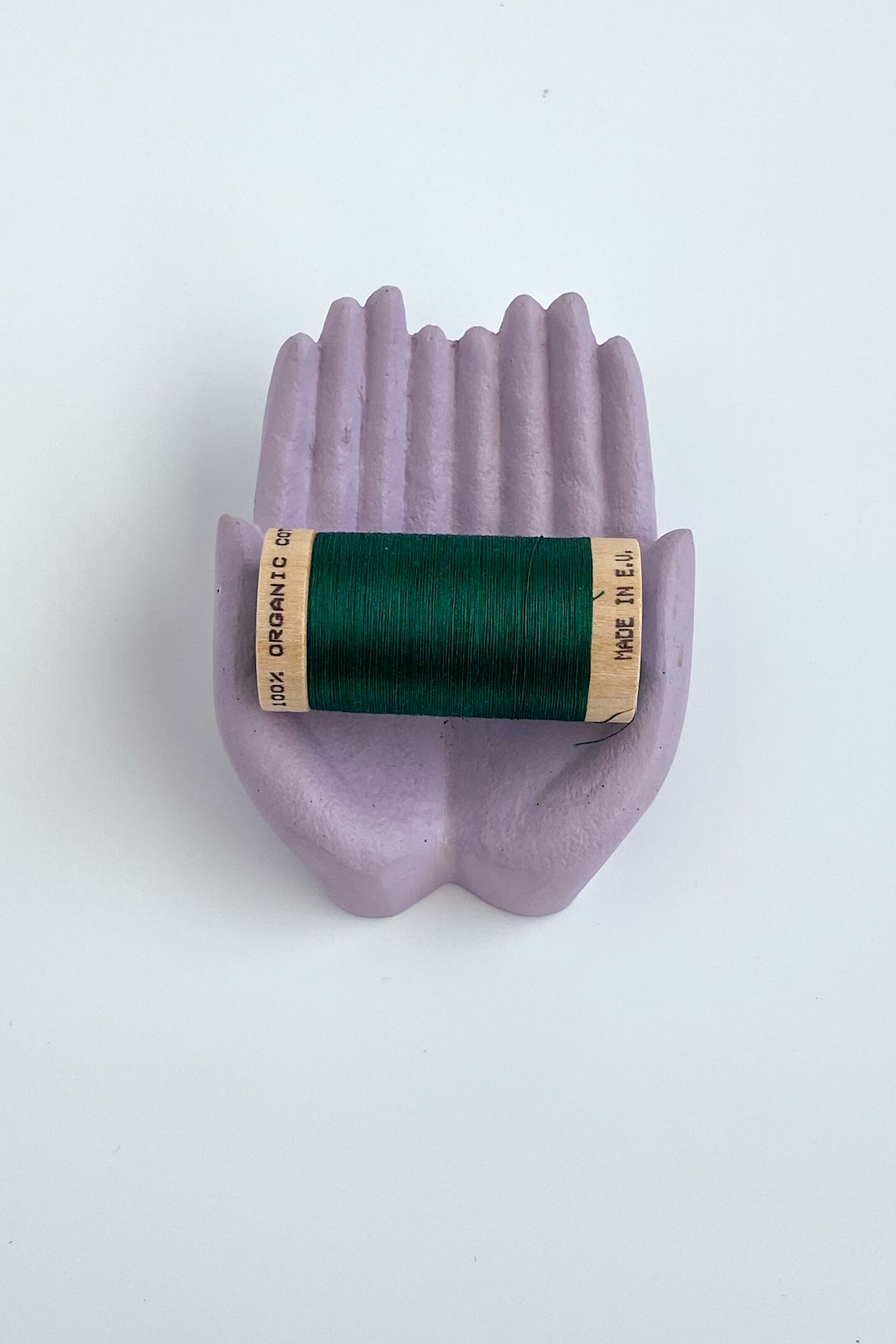
ORGANIC COTTON THREAD | 50/2 WT | GALAPAGOS GREEN
ORGANIC COTTON THREAD | 50/2 WT | GALAPAGOS GREEN
A strong, durable, all-purpose sewing thread made from 100% GOTS-certified organic cotton — an ideal natural alternative to conventional polyester thread.
Sold individually on a biodegradable wooden spool.
Product Details + Care
Product Details + Care
- Low lint, mercerised finish
- Will not shrink or bleed with washing
- 100% extra long staple organic pima cotton
- Organic pima cotton grown in Turkey, spun in Netherlands
- GOTS and OEKO-TEX Standard 100 certified
- 457 metres/500 yards on a biodegradable wooden spool
Care Instructions:
- Cold/warm machine wash
Best Use
Best Use
- Light–mid weight natural woven fabrics and light–mid weight knits without elastane.
- Ideal for garment sewing, accessories, quilting and general sewing.
- Suitable for sewing machines, overlockers, quilting and coverstitch machines.
Couldn't load pickup availability
Is Natural Thread Strong Enough?
Is Natural Thread Strong Enough?
Yes! All our cotton and Tencel™ threads are specifically manufactured for strength and performance. They sew beautifully through the machine and create durable seams designed to withstand everyday washing and wear.
Have more questions about natural thread? Visit our Thread Hub for our full FAQ.
Mercerised vs Unmercerised
Mercerised vs Unmercerised
Mercerisation is a multi-step process that smooths and strengthens cotton fibres. It also helps the fibres absorb dye more readily, resulting in a smooth thread with a subtle silky lustre and improved resistance to shrinkage.
Unmercerised cotton does not undergo this process. The fibres retain more of their natural character, giving the thread a softer, more rustic appearance and a natural, tactile feel. Unmercerised cotton also has greater absorbency, which can make it particularly well suited to natural dyeing and homewares such as teatowels.
Why Organic Cotton?
Why Organic Cotton?
Cotton is a natural fibre, but the way it is grown can make a big difference. Conventional cotton production can involve significant use of synthetic fertilisers and pesticides, and in some regions relies heavily on irrigation. Farming systems with limited crop diversity can also put pressure on soil health and biodiversity.
Organic cotton is grown under organic farming standards that prohibit synthetic fertilisers and pesticides and promote practices such as crop rotation and maintaining soil fertility.
But organic fibre is only part of the story. GOTS certification follows the fibre through the textile supply chain, setting requirements for chemical use, wastewater, resource efficiency and environmental management, as well as human rights and working conditions. Certified facilities are independently audited.
Certification isn't a magic fix, and organic doesn't automatically mean perfect. But GOTS is one of the more rigorous and comprehensive standards available for organic textiles, which is why it's a certification we look for when choosing materials for P.S.C.
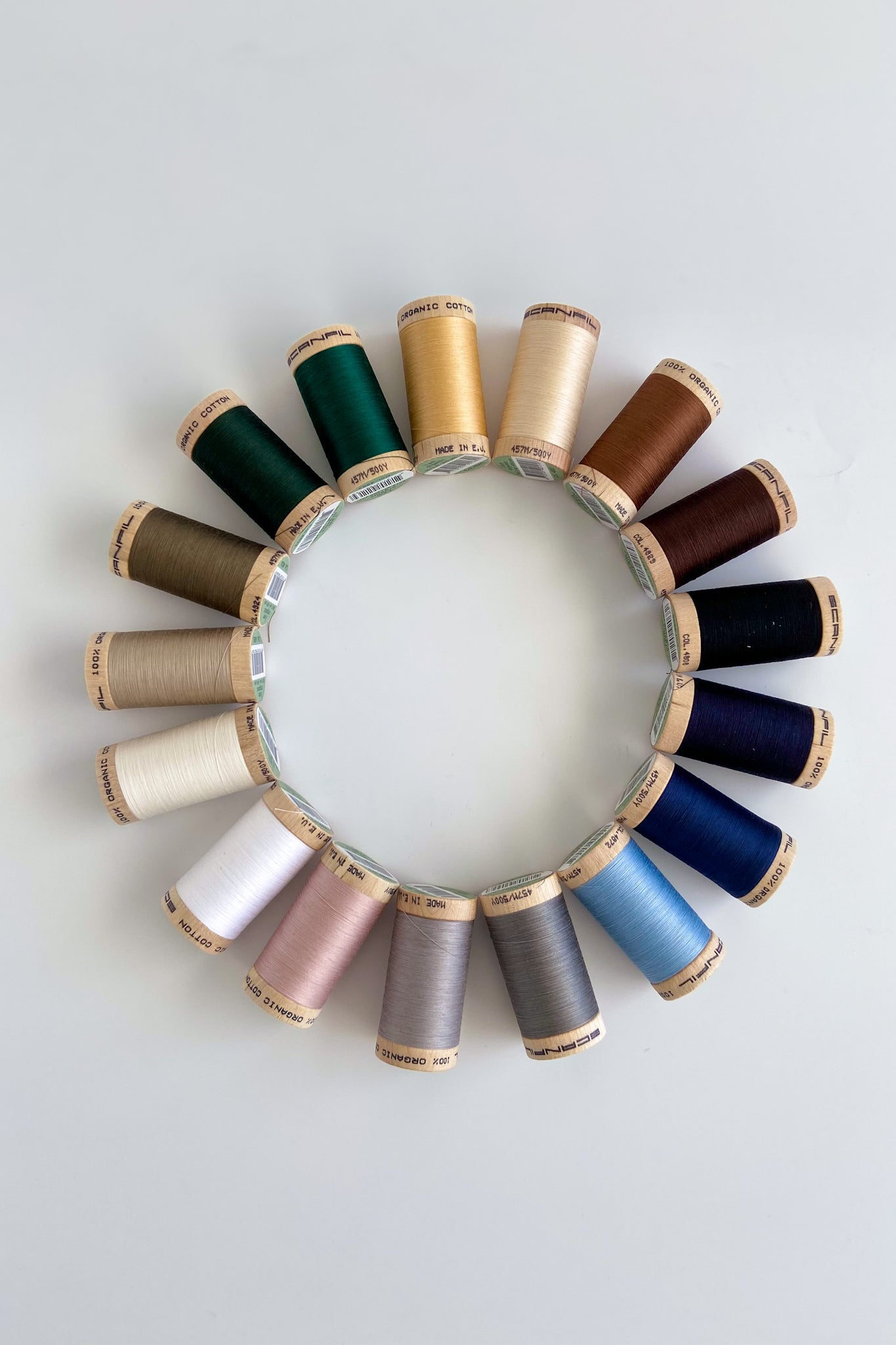
*We do our best to photograph colours accurately but there can be differences between screen displays. Looking for help choosing the right thread? Contact us for assistance.
View full details

Why Choose Natural Threads?
Thread is a vital, but often overlooked part of a sewing project. Choosing natural thread means considering what goes into your sewing right down to the last stitch.
Natural from Fabric to Thread
Natural threads are the perfect complement to cotton, linen, wool and other natural fabrics. They look and feel great together, and avoid introducing a synthetic fibre into an otherwise natural product.
Made to Age with Your Make
Natural fabrics soften, fade and develop character with wear. Natural thread can do the same, allowing the stitching to age alongside the fabric rather than remaining a contrasting synthetic element.
Ready to be Dyed
Natural fibre threads can be dyed alongside your fabric, making them particularly useful for natural dyeing. It's also a practical option when re-dyeing or over-dyeing a garment to extend its life.